Kin and Conquest Difficulty Modes
Normal baseline, harder repeats, and farming strategy
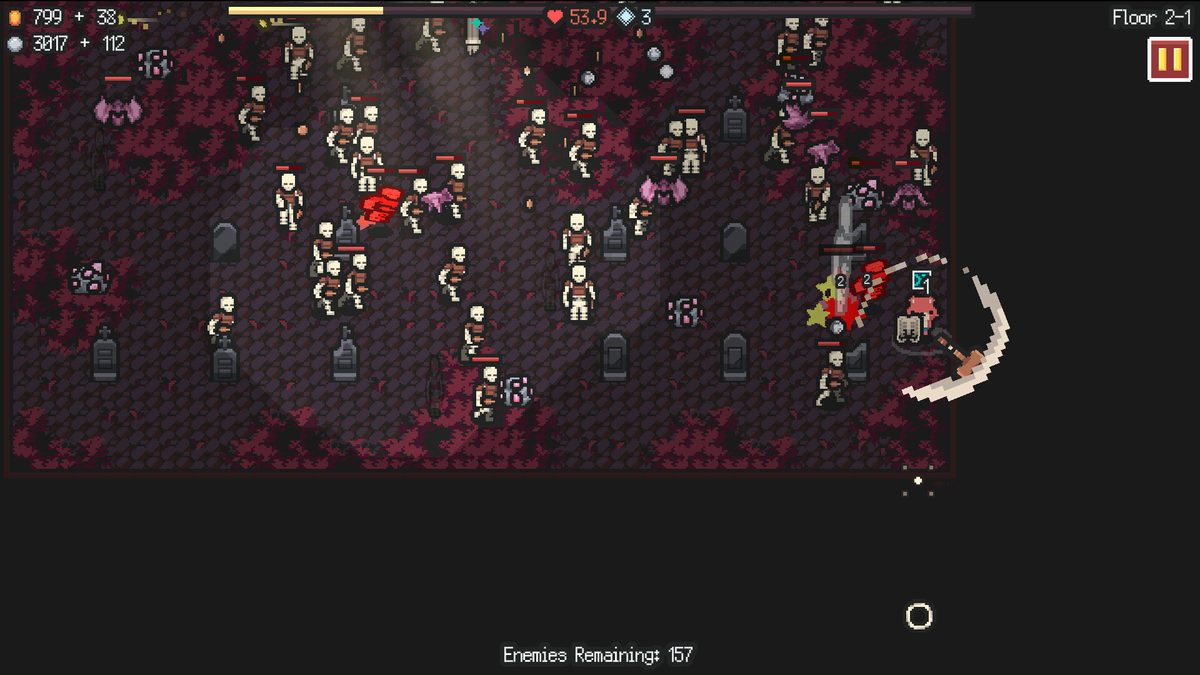
Kin and Conquest structures progression around Normal difficulty first, then optional harder tiers that reuse the same floor layouts with stricter pacing. The Fox Knocks describes the game as an incremental idle action adventure where difficulty is not a separate campaign—it is the same mountain, the same guardians, and the same weapon recipes tested under higher pressure. Understanding what each tier changes—and what it does not—prevents the common mistake of jumping to Extreme before recipes, Blessings, and movement habits can support the faster enemy speed.
This guide explains run menu tooltips, public patch notes about non-boss speed scaling, when to raise difficulty, and why many players farm Normal for recipes and challenges before repeating tiers. Pair it with the floors overview for descent gates and the floor guides for tier-specific execution.
How difficulty selection works in the run menu
Before entering a floor, the run menu lists available difficulties for that tier. Hover each option to read the breakdown tooltip—Kin and Conquest surfaces mechanical differences there rather than hiding them behind a separate codex. Tooltips typically emphasize changes to non-boss enemy behavior, reward modifiers, and challenge eligibility depending on patch version.
Normal is the teaching path. Harder settings generally increase pressure during trash packs and mining windows, not just guardian phases. If a tooltip mentions faster non-boss movement, expect your proximity strike windows to shrink everywhere on the floor—including moments when you thought you were safe breaking ore.
Document what each tooltip says for your current patch on the progress checklist so you remember why a harder attempt felt different after balance updates.
Normal versus harder: what actually changes
Across public demo and Next Fest messaging, difficulty scaling focuses heavily on non-boss enemy speed and tighter margins rather than entirely new enemy rosters. That design choice matters for incremental players:
- The same enemy types appear, so knowledge transfers from Normal to harder tiers.
- Positioning skill matters more because disengage timing shrinks.
- Mining during combat becomes riskier when rushers close distance faster.
- Blessings that rely on grouping or cleave may still work but demand cleaner pathing.
Guardians still gate floor mastery, but harder trash packs are where most players first feel the speed difference. If Normal guardians are manageable yet harder trash overwhelms you, the fix is often earlier disengage habits from combat basics rather than more damage alone.
Harder difficulties are not mandatory for core descent, but they matter for achievements, challenge efficiency, and proving build stability before Evil Geomancer prep.
Public patch notes on speed and balance
Steam community posts during Next Fest and subsequent demo patches called out several difficulty-adjacent changes worth remembering when watching old footage:
- Non-boss speed scaling on higher difficulties—explicitly referenced in player-facing notes as part of harder tier identity.
- Softened new-floor spikes so weapon recipes feel rewarding rather than mandatory walls—meaning Normal may feel smoother post-1.0 even if harder tiers remain strict.
- Ferret Exploder radius increases and dashing enemy follow-through—not difficulty toggles themselves, but they interact with harder speed because you have less time to exit radii and dash paths.
When a guide or video mentions “Extreme feels unfair,” verify whether the clip predates these patches. This wiki’s Updates page summarizes release and 0.5.x themes.
When to raise difficulty
Raise difficulty only when Normal on a floor feels boring—not merely possible. Use this checklist:
- Guardian cleared on Normal at least once with stable health remaining.
- Floor weapon recipe crafted and upgraded to a reasonable tier.
- Blessing core supports your death reasons (damage, sustain, or economy).
- Movement scheme finalized—keyboard or click if auto-follow caused totem or spacing issues.
- Optional: easy challenges on Normal completed if Souls matter for your build plan.
Skipping steps produces the incremental trap: harder difficulty amplifies weaknesses without teaching new mechanics. Players who rush Extreme for achievements often farm Normal again anyway—save time by stabilizing Normal first.
Farming Normal for recipes and challenges
Normal remains the best difficulty for recipe unlocks, coin mining, and kill-count challenges because slower enemy speed widens mistake tolerance. Efficient Normal farms look like:
- Clear trash methodically while breaking ore nodes between waves.
- Finish level-ups for Blessing choices that boost clear speed or economy.
- Complete challenge quotas without dying to speed-scaled rushers.
- Extract or fall with coins banked for weapon and skill purchases.
Once a challenge completes, harder repeats may still be needed for achievement conditions tied to difficulty—check Steam overlay text in-client. Souls from challenges apply regardless of difficulty in most cases, but always read the challenge UI for your patch.
If challenge farming feels redundant, finish guardian and recipe goals first as described in floors overview, then backtrack with a cleave-focused build.
Harder difficulties and boss prep
Guardian fights on harder settings reuse patterns learned on Normal but punish slow totem activations and late disengage. Before attempting a harder guardian:
- Review How to Beat Bosses for prep steps.
- Disable auto-follow if totems or golden pickups distracted prior attempts.
- Enter with consumable or totem plans already decided—not improvised mid-fight.
Some achievements may require shield-related or no-death guardian clears on higher tiers; those are long-term goals, not day-one requirements.
Difficulty versus incremental grind mindset
Incremental games reward repeating content with stronger multipliers. Kin and Conquest difficulty tiers formalize that repetition:
| Phase | Recommended difficulty focus |
|---|---|
| Learning a floor | Normal until guardian clear |
| Recipe and coin farm | Normal with optional challenges |
| Skill proof | Harder repeat after checklist above |
| Meta / achievements | Targeted harder goals with checklist tracking |
Burnout happens when players treat harder tiers as the only “real” progress. Normal mastery is progress—it unlocks knowledge and gear harder tiers assume.
Tooling and cross-links
Track which difficulties you cleared per floor on the progress checklist. Plan Blessing routes with the blessing picker before harder attempts so you are not mid-run rerolling for speed.
Combat spacing details: Combat Basics. Soul and challenge overlap: Challenges & Souls. Enemy speed interactions with types like dashers and exploders: Enemies & Guardians. Return to the Walkthrough hub for suggested reading order.
Related pages
Difficulty is the lens through which floors, enemies, and guardians apply pressure—not a separate game mode. Read Floors Overview for descent structure, Floor Guides for tier pacing, How to Beat Bosses for guardian prep, and Updates when patches retune scaling.
Frequently Asked Questions
Quick answers for Kin and Conquest players.
What is the difference between Normal and harder difficulties?
Normal is the baseline learning path. Harder tiers reuse the same floors with stricter pacing—often faster non-boss enemies—so positioning mistakes cost more.
How do I see what a difficulty changes?
Hover each difficulty in the run menu before starting. Tooltips summarize mechanical differences such as enemy speed and rewards for your patch.
When should I switch from Normal to a harder difficulty?
After you clear the Normal guardian, craft the floor weapon recipe, stabilize Blessings, and feel comfortable with your movement scheme—not merely after your first clear.
Should I farm challenges on Normal or harder?
Normal is usually faster and safer for kill-count challenges and recipe farming. Attempt harder challenge requirements only when achievements or goals explicitly need them.
Do harder difficulties change guardians completely?
Guardians reuse patterns from Normal with tighter margins. Trash packs feel the speed difference most because non-boss scaling is a core harder-tier theme in public notes.
Where can I track difficulty clears per floor?
Use the Progress Checklist tool and Steam achievement overlay alongside this wiki's walkthrough pages.